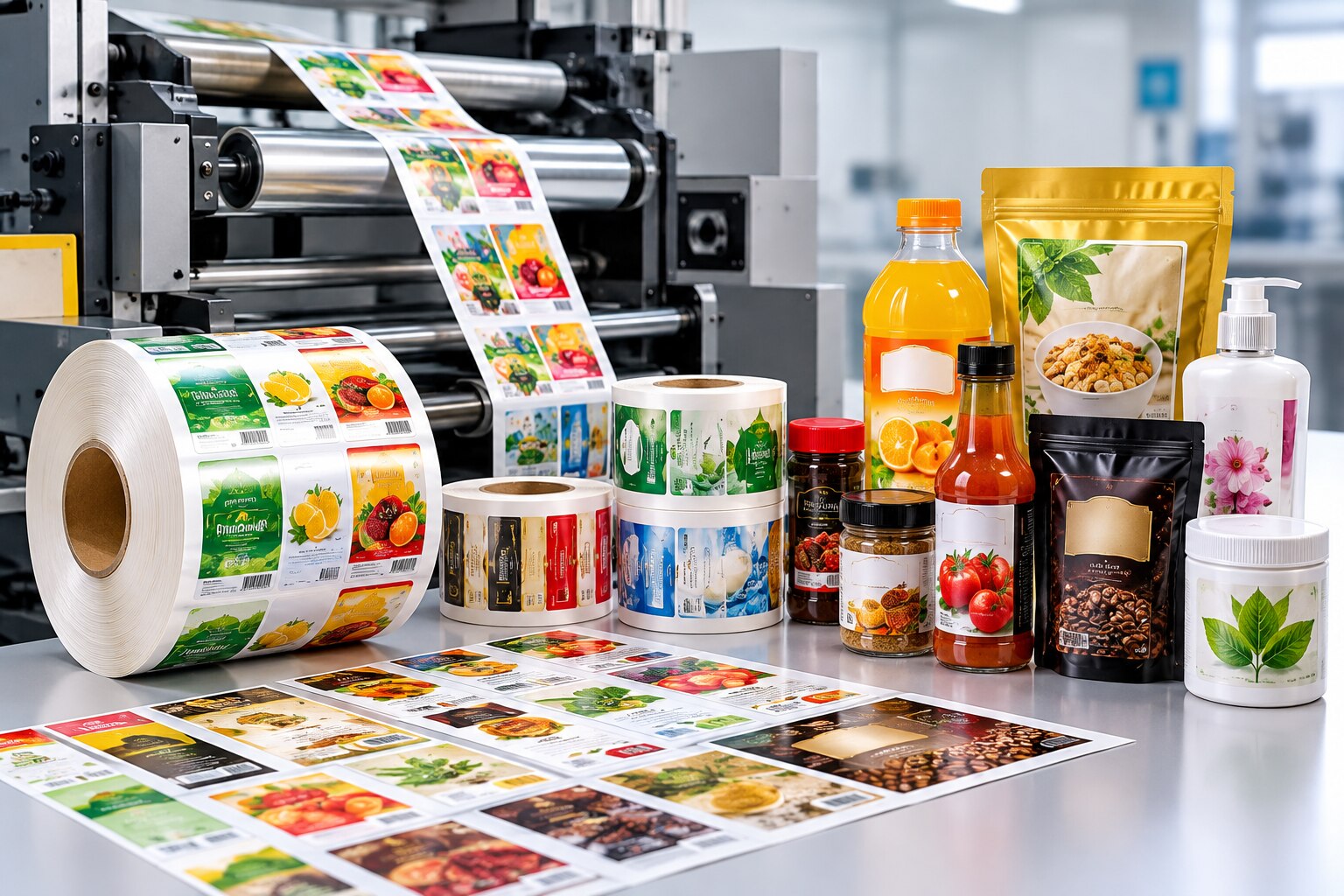
Choose the label format by matching the container, application line, food-packaging conditions, and compliance space—not by comparing decoration alone. By the end, you can identify the safer format for your pack, specify a meaningful trial, and request a quote that includes application effort, testing, delivery, and rejects.
Key takeaways
- Use heat transfer for rigid, uniform containers and high-volume decoration.
- Choose stickers when products, pack sizes, or surfaces change frequently.
- Test adhesion after moisture, chilling, rubbing, and transport exposure.
- Compare applied cost, trial charges, minimum orders, and replacement lead times.
Which label format fits your food container and production plan?
Start with the container and production pattern: heat-transfer decoration suits rigid, uniform packs, while sticker labels suit changing products and unpredictable surfaces. A comparison of heat transfer labels or sticker labels in Assam should include the points below, not just the quoted label price.
| Option | Best fit | Main compromise |
|---|---|---|
| Heat transfer | PET, HDPE or PP bottles with consistent walls; high volumes; few artwork changes; fast lines; curved but regular packs | Near-label-free appearance, but needs controlled heat, pressure, dwell time and registration; bottle variation, textured walls, recessed areas and defects increase rejects |
| Sticker labels | Glass, PET, HDPE, PP, coated paperboard, pouches, rigid or curved packs; short runs; several SKUs; frequent artwork changes; manual application | Adaptable and easier to rework, but leaves a visible edge and needs clean surfaces, accurate dispensing and liner handling |
| Either format | Food packs exposed to condensation, oil, abrasion or transport handling | Select materials and application settings through an exact-pack trial, not a catalogue sample |
Choose sticker labels in Assam when the container cannot tolerate heat or pressure, sizes change, or artwork changes often. They suit lower equipment investment, but dust, oil, condensation and mould-release residue can cause bubbles, edge lift or detachment.
Choose heat transfer only after a production trial confirms complete transfer, colour density and registration to seams or grip panels. Calculate total applied cost: tooling, changeovers, labour, liner waste, rejects, container scrap and rework. The lower unit price can lose once application failures are counted.
What must be tested before applying heat transfer decoration?
Test the exact filled production container on the actual decorating line before approving heat-transfer decoration. A flat swatch can hide wrinkles, bridging, incomplete transfer, and poor registration on a curved bottle.
1. Confirm that the equipment controls transfer temperature, dwell time, pressure, alignment, cooling, and line speed. Record the settings from a validated trial using the exact resin, container curvature, mould seams, grip panels, label construction, and production machine. Never copy temperature or pressure from another bottle.
2. Start with consistent PET, HDPE, or PP walls. Treat deep recesses, heavy texture, unstable or low-energy surfaces, dimensional variation, heat-sensitive contents or components, and lines without controlled transfer as risk conditions requiring extra trials or a different label format.
3. Register the decoration to mould seams and grip panels, then inspect it after cooling. The operator must confirm complete transfer across the artwork, not just adhesion at the edges.
4. Approve only a filled production container. Check transfer completeness, pinholes, colour density, registration, scuff resistance, condensation exposure, immersion, barcode scanning, and performance through stacking and handling.
5. Run the trial at production speed and record misregistration and reject rates. A result that works slowly at the sample bench can fail once pressure, container variation, and line speed increase.
For searches such as heat transfer labels assam and heat transfer labels or sticker labels assam, this evidence matters more than a catalogue image. It shows whether the decoration survives the actual pack, contents, machine, and distribution conditions.
How should sticker labels be specified for Assam’s moisture and distribution conditions?
Sticker labels are the safer choice when you use several SKUs, change artwork frequently, or pack products on glass, PET, HDPE, PP, pouches, or cartons that cannot tolerate heat.
Specify the conditions, not just “paper” or “film”: refrigeration, freezer temperatures, cold-chain condensation, ice, water immersion, wet transport, repeated handling, edible oil, spice residue, abrasion, and alkaline bottle washing.
Ask for adhesive performance data for each exposure. Check for edge lift, flagging, adhesive whitening, ooze, curl, loss of stiffness, and detachment after testing. Paper is economical but absorbs humidity and can curl; film resists moisture better. Require ink and varnish resistance against scuffing, oil, water, and cleaning chemicals.
- Clean dust, oil, spice residue, mould-release residue, and fingerprints from the pack.
- Apply only after removing condensation; record the pack temperature and supplier’s permitted application range.
- Trial rubbing, immersion, refrigeration, freezer exposure, stacking, and transport handling.
- For clear PET, inspect optical clarity after application. Trapped air, adhesive haze, liner memory, and poor wet-out remain visible even with a clear face.
- Store labels within the manufacturer’s stated temperature and relative-humidity limits, in sealed packaging, before application.
For food packaging labels Assam buyers should demand these limits on the datasheet. Sticker labels Assam specifications that omit them invite failures during monsoon storage and distribution.
What should Assam buyers confirm about supply, trials, and applied cost?
A low unit price can become expensive after rejects, relabelling, or damaged packs. For Guwahati, Dibrugarh, Jorhat, Silchar, Tinsukia, and other Assam locations, compare the delivered label with the cost of applying and replacing it.
Ask a heat transfer label manufacturer in Assam or an outside supplier for:
- Shipping coverage, dispatch location, lead time, artwork-approval stages, physical samples, machine-trial support, replacement policy, and storage instructions.
- Decoration tolerance in millimetres, repeat length, colour system, minimum order quantity, and approved PET, HDPE, PP, glass, or other substrate range.
- The test method behind “waterproof” or “scratch-proof” claims, including exposure time, temperature, liquid, rubbing force, and pass criteria.
- For food packaging labels Assam suppliers provide, adhesive type and limits for condensation, refrigeration, freezer temperatures, edible oil, water immersion, abrasion, alkaline washing, and storage.
| Cost or comparison point | Heat transfer decoration | Sticker application |
|---|---|---|
| Quoted price | Transfer, tooling, and cylinders | Label, liner, and dispensing parts |
| Line effort | Decoration labour, setup, dwell time, and changeover | Dispensing labour, alignment, and liner disposal |
| Waste risk | Misregistration, incomplete transfer, and container scrap | Wrinkles, bubbles, edge lift, and rejected labels |
| Distribution exposure | Scuffing during stacking or transport | Detachment, whitening, or damage from condensation |
| Approval evidence | Filled-container machine trial | Filled-container dispensing trial |
Include the exact container, line speed, storage conditions, and replacement process in the approval record. Crystal Vision Packaging Co can be compared with other suppliers only when it provides that trial, sample approval, shipment plan, and application guidance. Choose from production evidence, not a catalogue promise.
Related products
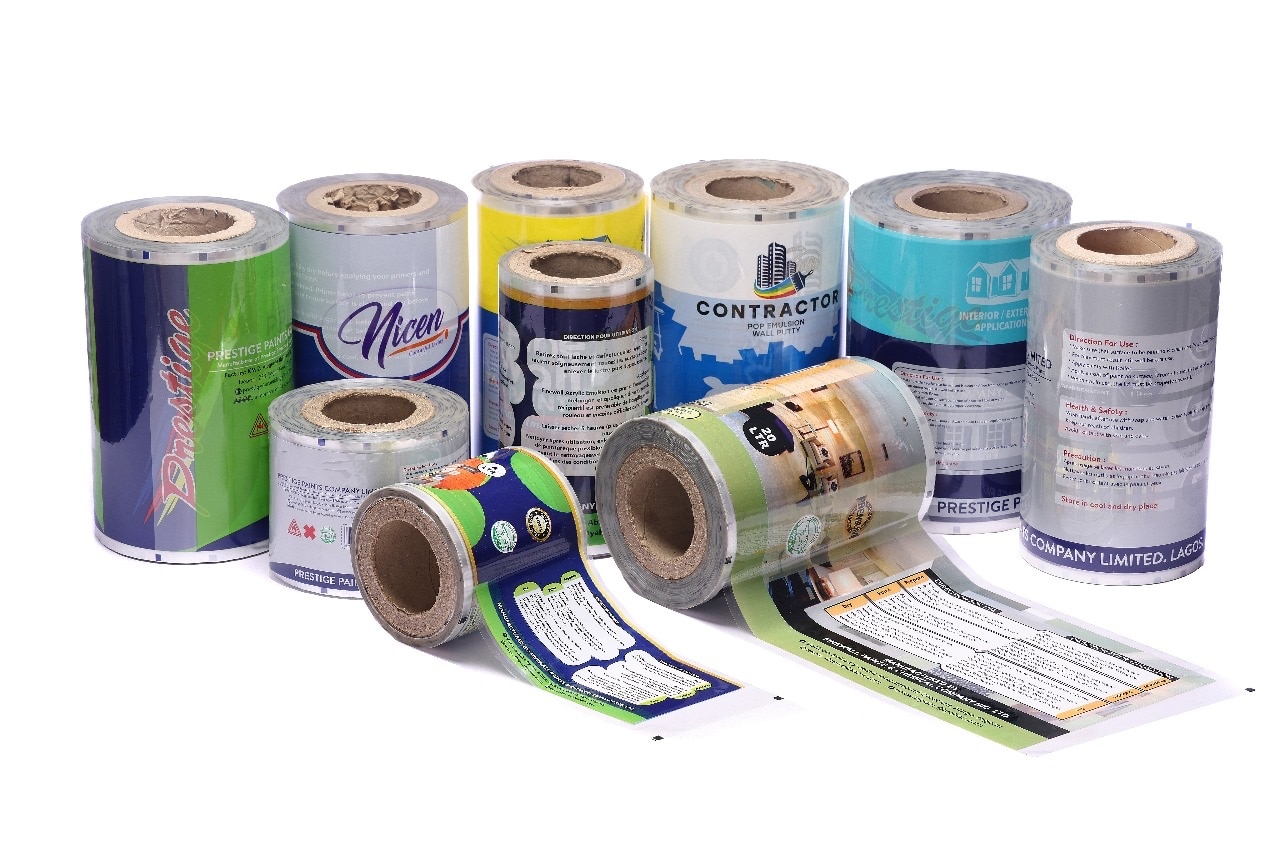 | Heat Transfer Labels ₹0.50 Heat Transfer Labels are decorative labels applied to products using heat and pressure, transferring the printed design directly onto the surface. View product → |
 | Self Adhesive Labels Self Adhesive Labels In Nagpur Self Adhesive Labels are pressure-sensitive labels that stick to surfaces without the need for heat, water, or additional glue. View product → |
How can you approve food-packaging artwork without creating a compliance problem?
Approve the artwork as a compliance document, not merely as a colour proof. For food packaging labels Assam brands, check the final design against the Food Safety and Standards (Labelling and Display) Regulations, 2020, and verify current rules for the specific food and pack type.
- Confirm the product name, ingredient list, nutrition information where applicable, allergen declaration, vegetarian or non-vegetarian symbol, net quantity, batch or lot number, date marking, FSSAI logo and licence details, manufacturer or packer address, consumer-care details, and every product-specific declaration.
- Check the Legal Metrology Packaged Commodities Rules for net quantity, maximum retail price, consumer-care information, and related declarations.
- Reserve readable space for mandatory text before adding graphics, claims, or multilingual copy. Curved packs and shrinkage-free transfer designs reduce usable area, so confirm minimum type size on the actual container.
- Check barcode quiet zones, contrast, ink gain, varnish glare, and curved-surface distortion. Verify the barcode with a verifier or scanner on the applied pack, not only on a flat proof.
- Approve only after testing heat transfer labels or sticker labels Assam production will use at line speed. Record misregistration, wrinkles, bubbles, rub and scratch resistance, condensation performance, stacking, transport vibration, and intended shelf-life exposure.
Use a filled production container for the approval sample. A flat swatch can hide transfer gaps, label lift, barcode failure, and distortion that appear on the finished pack. Keep the signed artwork, declaration checklist, test results, and final application sample together before printing.
Frequently asked questions
Which label format fits an Assam food container and production plan?
Heat transfer labels fit rigid, uniform containers and repeat production. Sticker labels fit changing products, multiple pack sizes, and surfaces that vary between batches.
What must be tested before applying heat transfer decoration?
Test the exact container for decoration temperature, adhesion, scuff resistance, moisture exposure, filling-line speed, and appearance after handling.
How should sticker labels be specified for Assam’s moisture and distribution conditions?
Specify the container material, surface shape, adhesive type, face material, finish, exposure to condensation or refrigeration, application temperature, and transport conditions.
What should Assam buyers confirm before ordering food packaging labels?
Confirm material compatibility, artwork proofing, trial quantities, minimum order, lead time, replacement process, freight, and the total applied cost rather than only the label price.
How can food-packaging artwork be approved without creating a compliance problem?
Check the final artwork against the product licence details, ingredient and allergen declaration, net quantity, batch identification, dates, manufacturer information, and required statutory statements before printing.
Keywords