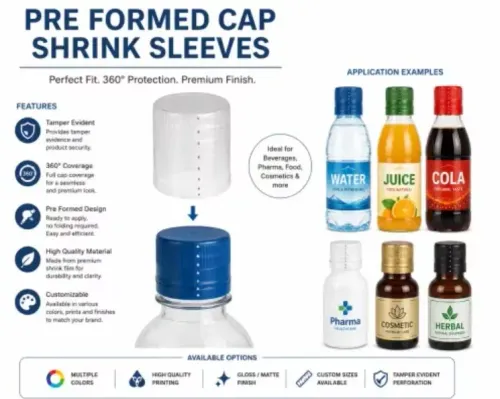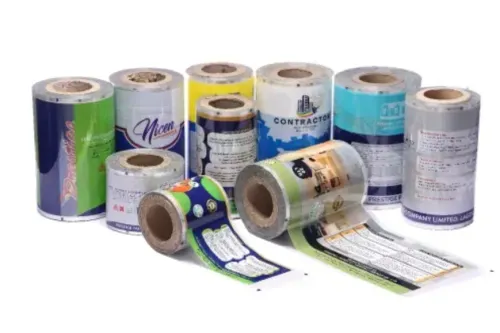
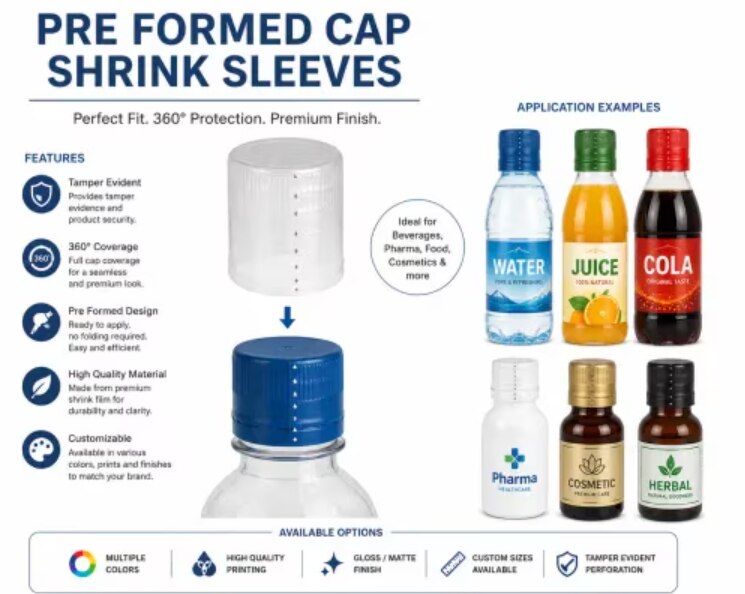
Cap tearing, lifted edges, wrinkles and distorted print rarely have one cause. Mumbai humidity, condensation, heat, closure geometry, storage and tunnel settings can interact, so you need to separate sleeve defects from application defects before changing suppliers or equipment. By the end, you will have a practical inspection, trial and purchase-control method for reducing rejects.
Key takeaways
- Inspect cap geometry, condensation and handling before changing the sleeve.
- Match sleeve fit to the closure profile, not its nominal diameter.
- Tune tunnel settings using measured shrink results, not copied temperatures.
- Record trial results as a sleeve and process specification for suppliers.
Diagnose the damage before changing the sleeve
For pre formed cap shrink for mumbai damage problems, inspect the defect before replacing the sleeve. A damaged cap does not prove defective film: closure geometry, condensation, heat and rough handling can create the same appearance as poor shrinking.
| Defect | What it indicates | Mumbai condition that worsens it |
|---|---|---|
| Cap tearing or splitting | Excessive shrink force, sharp ribs, deep knurls or a weak seam | Heat-softened caps, warehouse temperature swings |
| Sleeve lifting | Poor recovery, insufficient shrink, condensation or low surface grip | Monsoon humidity and chilled-product moisture |
| Telescoping | Sleeve height, feeding or stacking damage | Rough transport and carton compression |
| Wrinkling | Oversized sleeve, uneven heating or an abrupt shoulder | Humid film storage and condensation |
| Loose fit | Wrong opening circumference or aged film | Prolonged heat during storage or delivery |
| Distorted printing | Film movement, excessive shrink or poor registration | Sunlight and high tunnel temperature |
| Incomplete recovery | Insufficient heat, blocked airflow or moisture | Wet sleeves and cold packs entering the tunnel |
For shrink cap problems, record the defect location and check the sleeve before changing its design:
- Measure sleeve length, layflat, opening diameter and film thickness against the batch specification.
- Inspect seam strength, perforation position, print registration and batch consistency.
- Check cap circumference, neck finish, shoulder clearance and tamper-band position.
- Keep unused sleeves sealed, dry, shaded and away from heat; agree a maximum storage temperature and FIFO period.
Match the sleeve to the closure, not just its nominal diameter
A cap’s nominal diameter does not describe the features that create shrink stress. Specify the closure drawing, bottle neck finish, tamper-band position, shoulder profile, smallest radius, sharp ribs, knurls, hinge or dispensing-spout features, and the cap-to-neck alignment.
Give the converter these measurements for the pre formed shrink sleeves:
- Actual cap circumference at the sleeve’s top and bottom contact zones
- Sleeve layflat width, opening diameter, cut height and film thickness
- Required post-shrink coverage over the cap, tamper band and neck
- Clearance from the bottle shoulder and the intended seam position
- Required shrink ratio, perforation location and opening-force target
- Closure and bottle drawing numbers, including the smallest radius and any abrupt shoulder
Run a controlled trial on the production closure, not a smooth laboratory mandrel. Record pre- and post-shrink dimensions, top-seal coverage, wrinkle depth, seam continuity, split rate, print distortion and tamper-evidence opening force. A sleeve that looks round at incoming inspection can still bridge over ribs or lift from a misaligned neck.
For pre formed cap shrink mumbai applications, condition samples in sealed packaging before testing. Store them dry, shaded and away from heat; monsoon humidity, condensation and warehouse temperature swings can change dimensions or soften coatings.
Measure layflat width, cut height, seam position and perforations under magnification, then compare three samples from each batch with the approved standard. Reject inconsistent batches before they reach the filling line.
Set the tunnel from measured results, not a copied temperature
A tunnel set point is not the closure temperature. On a Mumbai filling line using cap shrink sleeves, record the air temperature at several tunnel zones, conveyor speed, residence time and the actual temperature of the closure after exit.
PETG, PVC and OPS reach shrink-onset at different temperatures and generate different shrink forces, so a copied setting can deform the cap, move the liner or open the sleeve seam.
Run a controlled trial on the production closure, not a flat film sample. Change one setting at a time and record the result:
- Heat: increase zone temperature only until the sleeve recovers around ribs and the tamper band without whitening, distortion or lifting.
- Time: adjust conveyor speed to give adequate residence time; excessive dwell can soften coatings, displace liners and damage closure features.
- Airflow: aim hot air at the sleeve evenly, using the minimum flow that removes slack without ballooning the sleeve or forcing air under the seam.
- Line handling: centre the cap, prevent bottles from touching guides, and remove condensation before sleeving; wet surfaces increase slipping and uneven recovery.
Inspect packs immediately and after cooling. Compare top coverage, wrinkles, seam integrity and cap temperature, then repeat after the line reaches full speed. Store unused sleeves sealed, shaded and dry, because Mumbai humidity, heat and temperature swings can alter dimensions before application. Set a maximum storage temperature and a first-in-first-out period with the supplier.
Separate overheating from under-shrinking and line damage
A split that appears only after tunnel exposure points to heat or closure stress; a loose sleeve that remains loose in a controlled test points to film sizing. Separate these causes before changing suppliers, because shrink cap problems often come from the application line.
| Cause | Visible clue | Confirmation |
|---|---|---|
| Heat | Film holes, brittle edges, distorted print or tears over sharp ribs | Repeat the run at lower temperature or shorter dwell. If the defect disappears, heat is driving it. |
| Film sizing | The sleeve stays loose, bridges the cap shoulder or leaves uneven coverage around every pack | Measure layflat and cut height, then shrink a sample on the actual closure outside the line. The same poor recovery confirms a sleeve-specification problem. |
| Condensation | Water beads under the sleeve, scuffing increases, or ink transfers after chilled packs enter humid air | Dry the closure, repeat the test, and compare a steam-tunnel pack with a dry hot-air sample. A dry surface that holds its print isolates moisture. |
| Equipment | Damage repeats on one lane, one side, or one tunnel position; sleeves are skewed or cut unevenly | Swap lanes and inspect guides, star wheels, steam nozzles, belt alignment and tunnel airflow. If the defect follows the equipment position, the pre formed shrink sleeves are not the primary cause. |
Record tunnel temperature, dwell time, pack temperature and humidity for each trial. A controlled comparison prevents a Mumbai warehouse or monsoon transition from being mistaken for film failure.
Turn the production trial into a measurable buying specification
To control pre formed cap shrink for Mumbai damage problems, turn the approved trial into a lot-by-lot specification, not a verbal instruction such as “good shrink.” Attach the closure drawing, retained sample, approved photographs and tunnel settings to the purchase order.
Define sleeve circumference and layflat within ±0.5 mm, height within ±1 mm, film thickness within ±5%, and post-shrink coverage within ±1 mm of the approved sample.
Require the supplier to check every production lot for:
- Opening diameter, seam position, overlap and seam strength against the approved closure
- Shrink percentage in the machine and transverse directions, with results within ±3 percentage points of the trial
- Perforation position and tear force, with clean opening and no uncontrolled splitting
- Print registration within ±1 mm and no ink transfer after 100 dry rub cycles on shrunk sleeves
- Coefficient of friction where feeder slipping or double-feeding has occurred
- Defect limits of zero critical defects, no seam opening, and no more than 1% major defects in the sampled lot
For pre formed cap shrink Mumbai orders, print the batch number, manufacture date and storage limit on each carton. Keep cartons sealed, shaded and below the agreed maximum temperature; set a first-in, first-out period and repeat the trial after monsoon storage, chilled-product condensation and simulated transport.
Crystal Vision Packaging Co should receive the same closure drawing and acceptance sheet as the filler, so cap shrink sleeves Mumbai deliveries are judged against one measurable standard.
Related product
 | Pre Formed Cap Shrink Sleeves Pre Formed Cap Shrink Sleeves In Nagpur ₹2 Pre-Formed Cap Shrink Sleeves in Nagpur | Crystal Vision Packaging Co Looking for high-quality Pre-Formed Cap Shrink Sleeves in Nagpur, Wardha, and... |
Frequently asked questions
How do you diagnose pre-formed cap shrink damage before changing the sleeve?
Inspect the defect pattern and check closure geometry, condensation, heat exposure and rough handling. A damaged cap does not prove defective film.
Why must a pre-formed shrink sleeve match the closure, not just its diameter?
Nominal diameter does not describe tamper-band height, shoulders, ribs, tabs or clearance. Compare the sleeve with the closure’s full profile and sealing features.
How should you set a shrink tunnel for cap sleeves?
Run a controlled trial and record tunnel temperature, conveyor speed, airflow and measured shrink results. Do not copy a temperature from another line or film.
How can you tell overheating from under-shrinking or line damage?
Compare wrinkles, distortion, loose areas and scuff marks with the tunnel settings and handling points. Overheating distorts film; under-shrinking leaves slack; line damage creates local tears or abrasion.