Food containers used in Guwahati face condensation, ice water, oil, freezer handling, transport abrasion, and repeated wiping. By the end, you will know whether in-mould labeling suits your container, production volume, resin, food-contact conditions, and compliance requirements.
Key takeaways
- Match polypropylene labels with polypropylene containers for easier recycling.
- Test label adhesion after condensation, freezing, oil exposure, and repeated handling.
- Choose IML for durable decoration at moulding; choose applied labels for flexible changes.
- Ask Guwahati suppliers for dieline checks, resin compatibility, and production samples.
How In-Mould Labeling Fits Into a Food-Packaging Line
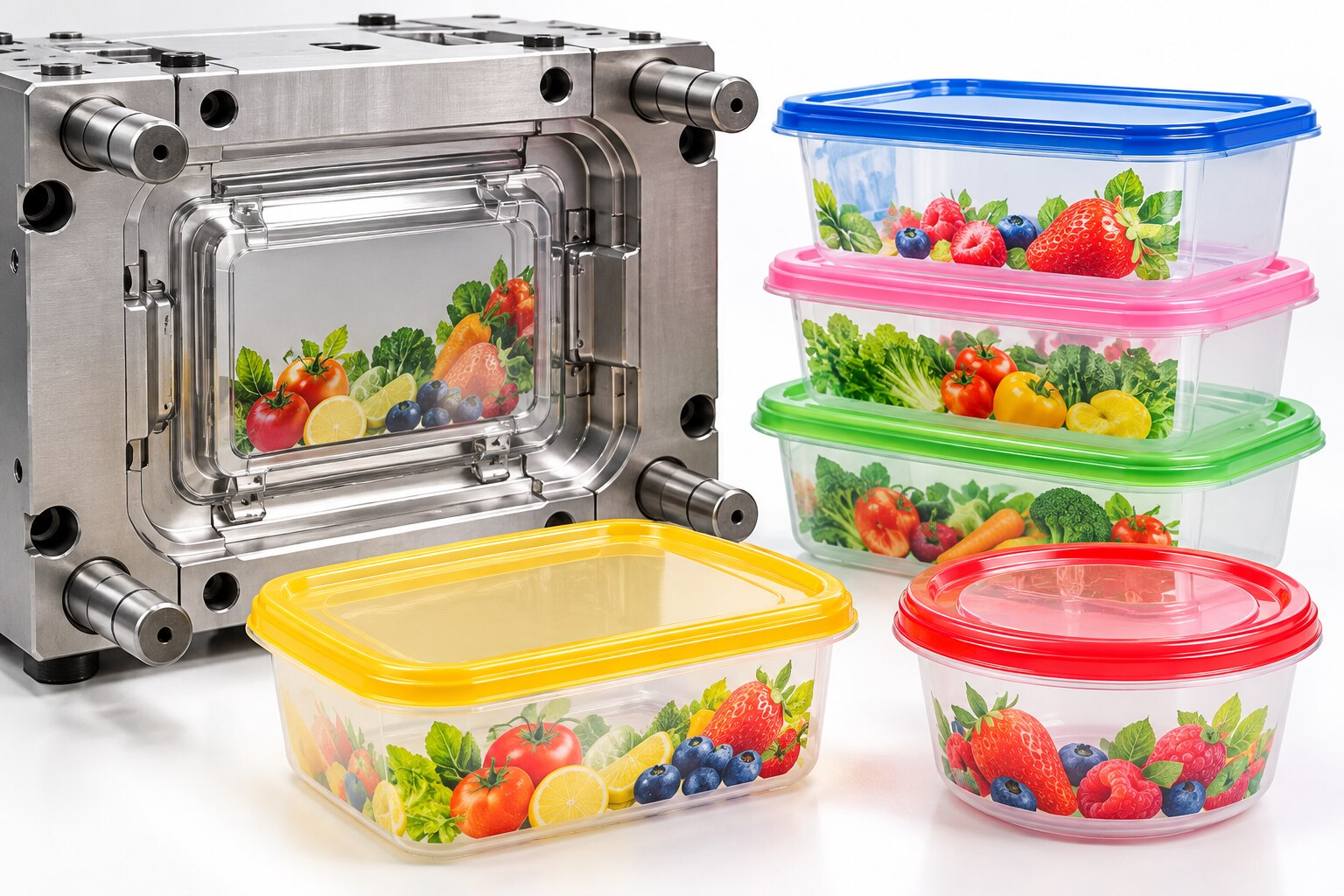
An IML line starts with a frozen label dieline, artwork specification, and mould design. The label material must match the container resin where possible: polypropylene label stock on a polypropylene tub or lid supports cleaner recycling than paper, PVC, or incompatible adhesive constructions.
- Prepare cavity-accurate labels, control curl and static, and load them into a validated magazine or pick-and-place unit.
- Open the mould and place each label against the cavity surface using vacuum, static, or mechanical retention.
- Inject molten resin around the label for a tub, cup, lid, or thin-wall pack; in blow moulding, position the label inside the parison-forming mould before the container expands against it.
- Cool the moulded container so the label fuses into the wall, then open the mould and eject the finished pack.
- Inspect label position, wrinkles, scuffing, colour, print legibility, barcode readability, and container defects before packing.
The integrated label removes a separate adhesive application step, so condensation, dust, and cold surfaces do not cause an applied label to lift. It also makes late artwork changes expensive: label shape, thickness, placement features, and tooling are linked.
Buyers searching for in mould labels for food packaging guwahati should approve samples after realistic warm, humid storage, not only from a dry-room trial. Confirm the container, label film, ink, coating, and coverage together before claiming recyclability.
Which Food Containers and Materials Suit IML?
A polypropylene tub, cup, lid, or thin-wall container is the most straightforward fit: use a polypropylene label with a polypropylene body. Matching polymers supports cleaner recycling and prevents the label from becoming a contaminant, although inks, coatings, label coverage, and the target recycling stream still need review.
| Container and method | Best label and resin fit | When it applies |
|---|---|---|
| Injection-moulded tubs, cups, lids, and thin-wall packs | PP label with PP container | Best for accurate placement, flat panels, and high-volume food packs |
| Injection-moulded pails | PP or PE label matched to the pail resin | Suitable for larger packs needing scuff-resistant decoration |
| Blow-moulded HDPE bottles and jars | PE label with HDPE container | Use for curved packs; confirm label stretch, weld-line clearance, and placement accuracy |
| PET injection-stretch-blow packs | PET-compatible label and dedicated tooling | Use only after trials confirm heat resistance, stretching, and recycling performance |
| Glass, metal, paperboard, or already-made plastic packs | IML is not the natural process | Use pressure-sensitive, wrap-around, or sleeve labels instead |
Injection IML suits rigid containers with a defined label recess or stable panel. Blow-moulded IML needs a label shaped for the bottle or jar, plus mould features that prevent shifting during parison inflation. The setup is less forgiving of distortion and cavity variation.
Freeze the dieline, label thickness, artwork, and barcode position before mould trials. In Guwahati’s warm, humid storage conditions, test label curl, static, and moisture exposure after realistic storage—not only from a dry-room sample.
For mould labels for food containers, short runs and frequent artwork changes can cost more than conventional labels because IML needs dedicated tooling and repeatable automated handling.
Why IML Helps With Condensation, Freezing, Oil, and Repeated Handling
A pressure-sensitive label can lift when condensation forms beneath it, while an in-mould label is formed into the container wall during moulding. That removes the adhesive edge that catches moisture, oil, dust, or fingers during filling and distribution.
The benefit is strongest on polypropylene tubs, cups, and lids using a compatible polypropylene label. The matching polymers support a stable surface and simplify recycling, but poor moulding conditions can still cause bubbles, wrinkles, curl, or delamination. A dry-room sample proves little.
Test the finished container after realistic exposure to:
- Condensation from chilled storage, ice-water contact, and movement between cold rooms and warmer air
- Freezer temperatures and repeated removal, stacking, and wiping
- Oil or sauce splashes that can stain surfaces or reduce the grip of an applied label
- Rub and scratch contact from crates, conveyor guides, stacking, and hand use
Check the print, barcode, label edges, and surface after filling. Add hot-fill or retort testing when the food process uses those temperatures; freezer testing does not predict heat performance.
For in mould labels in Guwahati, test stock after storage in the region’s warm, humid conditions, not only after controlled dry storage. Keep labels protected from moisture and control curl and static before the pick-and-place stage. A label that survives the container test but feeds poorly can still interrupt production.
When IML Beats Applied Labels—and When It Does Not
Choose IML when you run repeatable, high-volume production of polypropylene tubs, cups, lids, or thin-wall packs and need graphics that resist condensation, oil, freezer handling, scuffing, and peeling. Matching a polypropylene label to a polypropylene container also simplifies recycling evaluation.
Mould labels for food containers become part of the wall, so there is no exposed adhesive to lift from a wet or dusty surface.
| Option | Main advantage | Choose it when |
|---|---|---|
| In-mould label | Integrated, edge-free decoration with strong moisture and abrasion resistance | Volumes justify tooling, label magazines, and automated placement |
| Self-adhesive label | Easy application and artwork changes | You have short runs, many variants, or already-made containers |
| Pressure-sensitive label | Flexible roll-fed labelling without mould modification | You need fast changeovers or small batches; it remains vulnerable to condensation and peeling |
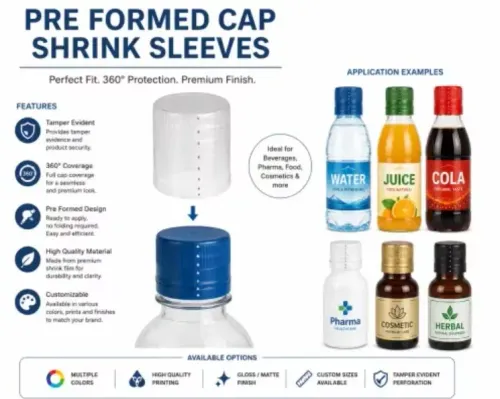
| Shrink sleeve | Full-body, high-impact graphics on complex shapes | You need 360-degree decoration or frequent structural changes; account for sleeve removal during recycling |
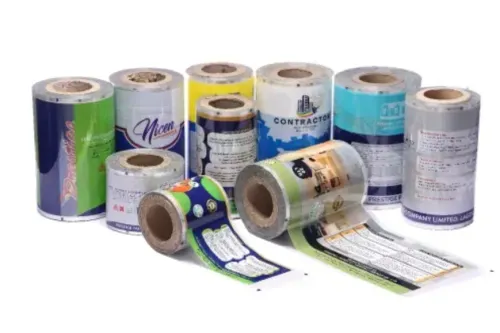
| BOPP wrap-around | Efficient roll-fed labelling for cylindrical packs | You need economical high-speed application and can accept a visible seam and adhesive |
IML loses its advantage when volumes are low, pack sizes change frequently, or the mould, label shape, and decoration are not frozen before trials. It also demands accurate placement and compatible materials; paper, PVC, and adhesive constructions need separate recycling and food-contact review.
For in mould labels for food packaging guwahati projects, compare total cost rather than label price: tooling, automation, changeover time, rejected packs, artwork revisions, and downstream recycling requirements. A pressure-sensitive label often wins for a launch; IML wins after the format stabilises.
How to Qualify an In-Mould Label Supplier in Guwahati
A search for an in mould labeling supplier guwahati is only a starting point. Approve the converter after it proves that the label, resin, mould, artwork, and filling operation work together. Request these items before releasing trial tooling:
1. The frozen dieline, label thickness, polymer specification, ink and varnish system, curl limits, static-control method, and cavity-accurate die-cut samples. Confirm compatibility with your PP, HDPE, or other container resin and with injection or blow moulding.
2. A food-contact declaration covering the complete construction, not just the film. It must identify inks, primers, varnishes, tie layers, and adhesives, then address migration or compliance for your food type, temperature, contact duration, and storage period.
3. A traceability pack showing material batch numbers, print and die-cut inspection records, colour approval, barcode verification, retained samples, and a procedure for handling nonconforming labels. Check that artwork includes the product name, net quantity, date marking, lot or batch code, manufacturer or marketer details, and FSSAI logo and licence number where applicable.
4. Production evidence from a comparable IML job: label placement tolerance, reject rate, line speed, container resin, mould type, and inspection method. Ask Crystal Vision Packaging Co, or any shortlisted converter, to support a trial on your actual mould and filling line.
5. Samples stored in sealed packaging under Guwahati’s warm, humid conditions. Recheck curl, blocking, static, print adhesion, barcode scans, and placement after storage; dry-room samples alone do not qualify in mould labels guwahati for production.
Related product
 | In-Mould Labels In-Mould Labels (IML) are pre-printed labels that are placed inside a mould before the plastic injection or blow moulding process. View product → |
Frequently asked questions
How does in-mould labeling fit into a food-packaging line?
The process starts with a frozen label dieline, artwork specification, and mould design. A label is placed in the mould before resin forms the container, bonding decoration to the finished pack during moulding.
Which food containers and materials suit in-mould labels?
IML suits rigid containers made from compatible plastics, especially polypropylene tubs and lids. Polypropylene label stock on polypropylene packaging supports cleaner recycling than paper, PVC, or incompatible adhesive constructions.
Why does IML help with condensation, freezing, oil, and repeated handling?
The label becomes part of the container surface instead of relying on a separately applied adhesive label. You still need tests that reproduce condensation, freezer temperatures, oil contact, rubbing, and handling for the intended pack.
When should you choose applied labels instead of IML?
Choose applied labels when you need frequent artwork changes, low quantities, late-stage variable information, or packaging that cannot support an IML moulding process. Choose IML when durable decoration and efficient moulding justify the tooling and setup work.
How do you qualify an in-mould label supplier in Guwahati?
Ask for container and label resin recommendations, dieline and mould-design checks, food-contact documentation for the complete construction, production samples, and test results covering condensation, freezing, oil, abrasion, and stacking.
Keywords