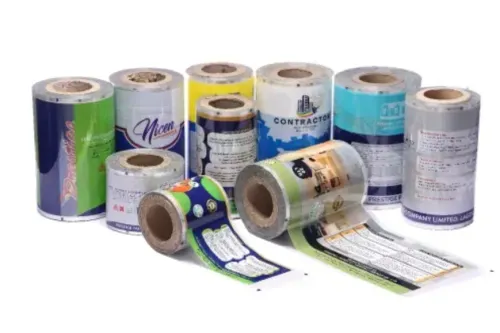
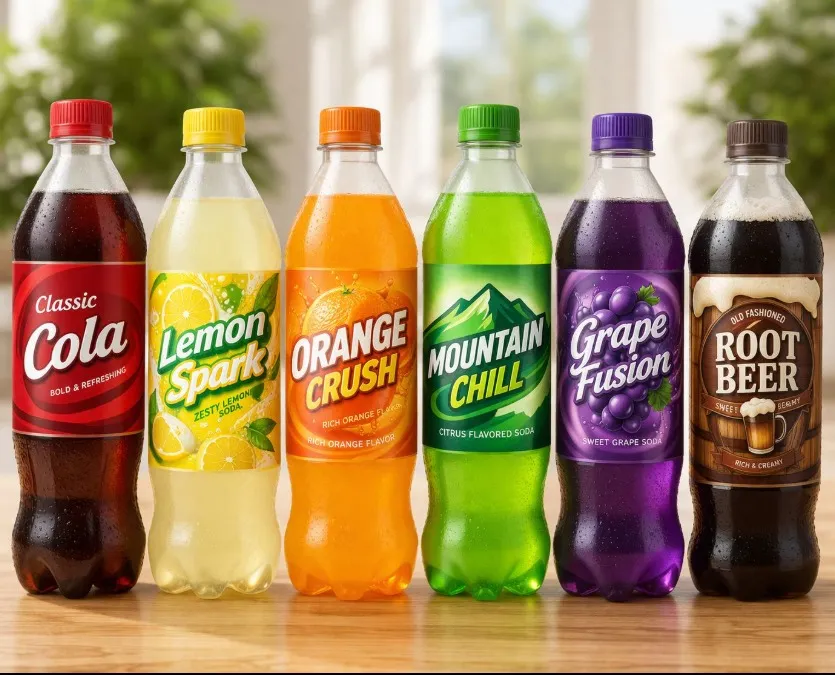
High-volume packaging lines require labels that combine printability, consistent presentation and suitability for the intended product environment. BOPP Labels, made using biaxially oriented polypropylene film, are commonly considered for packaged products where a film-based label is appropriate.
For manufacturers in Andhra Pradesh, understanding how BOPP labelling works can make it easier to determine whether it suits a particular bottle, container or packaging line.
Why BOPP Is Used in Labelling
BOPP is a polypropylene film valued in packaging applications for its useful combination of strength, lightweight construction and print-compatible surface.
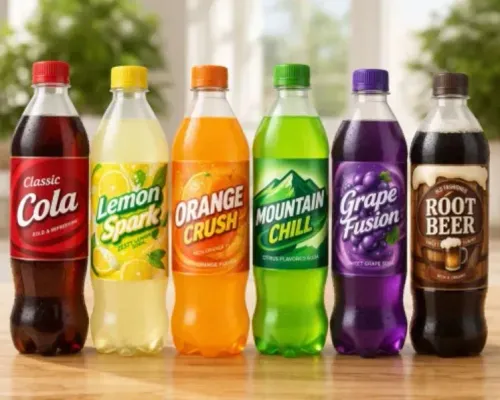
Depending on the label format and product requirements, it can be used for beverages, packaged foods, household products and other consumer goods.
Its suitability, however, should always be evaluated according to the specific packaging application rather than assuming one material will work for every product.
BOPP Labels and Paper Labels Serve Different Needs
Paper can be suitable for many conventional labelling applications, particularly when a traditional appearance is preferred. Film labels are often considered where packaging teams require characteristics associated with polymer-based materials.
The decision should account for:
- Container material and shape
- Product environment
- Required print finish
- Application method
- Production speed
- Label dimensions
- Storage and transportation conditions
This comparison is more useful than choosing solely on unit price.
Artwork and Production Require Coordination
Packaging artwork needs to be prepared according to the final label dimensions and printing process. Designers should know the printable area and any technical restrictions before completing the layout.
If a product family contains multiple variants, establishing a common design system can simplify production while maintaining visual consistency.
Crystal Vision Packaging Co works with printed packaging requirements for businesses across different product categories. Andhra Pradesh manufacturers assessing BOPP label production can discuss their container specifications, print requirements and order quantities before committing to commercial runs.
Consider Total Packaging Efficiency
For high-volume products, small inconsistencies can become significant when repeated across thousands of units. Manufacturers should therefore assess dimensional accuracy, print consistency and compatibility with their application process.
A trial run can identify issues that may not be visible when examining an un-applied label.
The most appropriate BOPP label is ultimately one that works with the complete packaging operation. Material, printing, container characteristics and application conditions should all support each other.
For Andhra Pradesh businesses scaling packaged products, this approach helps create a more dependable labelling process while maintaining the consistent presentation expected in competitive retail and distribution environments.
Keywords